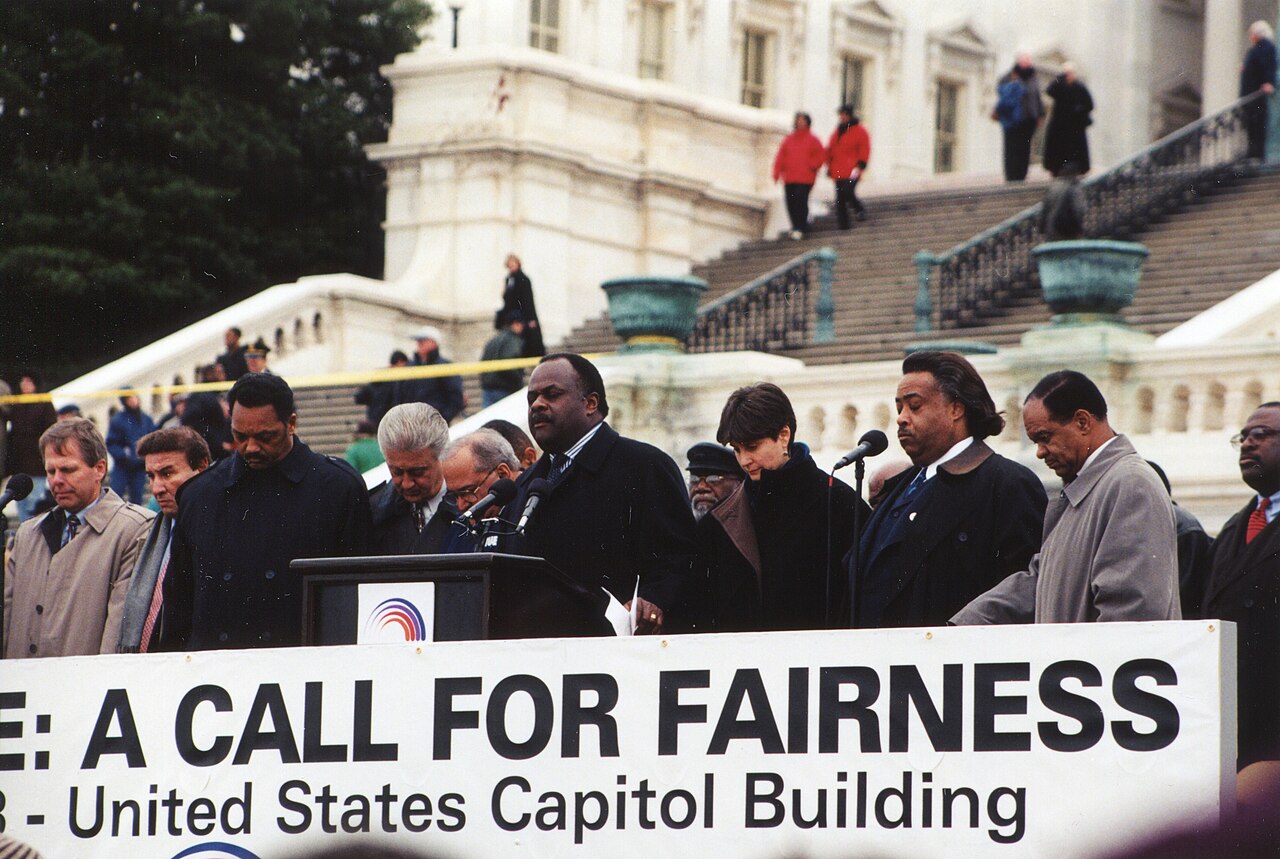
Tributes continued pouring in Tuesday following the death of Rev. Jesse L. Jackson Sr., as former Presidents Barack Obama, Joe Biden, Bill Clinton, and President Donald Trump joined civil rights leaders in honoring the iconic activist's life and faith-driven legacy. Jackson died at age 84, surrounded by family.
President Joe Biden described Jackson as "a man of God and of the people," praising his determination and moral clarity. In a statement, Biden said Jackson believed deeply in the promise that "we are all created equal in the image of God and deserve to be treated equally throughout our lives."
Former President Barack Obama called Jackson "a true giant," noting that for more than six decades he helped lead some of the most significant movements for change in modern history. Obama credited Jackson's two historic presidential campaigns in the 1980s for helping lay the groundwork for future generations of leaders. "We stood on his shoulders," Obama wrote, reflecting on the spiritual conviction that fueled Jackson's public life.
Former President Bill Clinton and former Secretary of State Hillary Clinton also shared their condolences, remembering Jackson as a longtime friend who "championed human dignity" and expanded opportunities for marginalized communities. Clinton awarded Jackson the Presidential Medal of Freedom in 2000, recognizing his decades of service to civil rights and justice.
Rev. Al Sharpton, who often referred to Jackson as a mentor, described him as "a movement unto himself," saying Jackson taught him that faith must be lived out in action. Sen. Raphael Warnock echoed similar sentiments, calling Jackson's ministry "spiritual power in the public square" and praising his lifelong commitment to justice.
Even political rivals paused to acknowledge his influence. President Donald Trump referred to Jackson as "a force of nature" and a "good man," noting their past interactions and Jackson's long-standing presence in national conversations about race and opportunity.
Beyond Washington, communities across the country are remembering Jackson's impact locally. Chicago residents spoke about his decades of activism in the city, while leaders in Arkansas recalled his visits to Little Rock and his calls for unity and nonviolence. Civil rights organizations, including the NAACP and the National Civil Rights Museum, emphasized that Jackson remained a witness to history and a steward of Dr. Martin Luther King Jr.'s unfinished work.
For many faith-based observers, the consistent theme throughout the tributes has been Jackson's belief that justice is rooted in spiritual conviction. His preaching voice, often heard in marches and political rallies, carried a message of dignity grounded in faith.
As memorial arrangements continue, leaders across party lines and generations are united in one reflection: Rev. Jesse Jackson's life was defined not only by activism, but by a public faith that insisted every person carries God-given worth.


