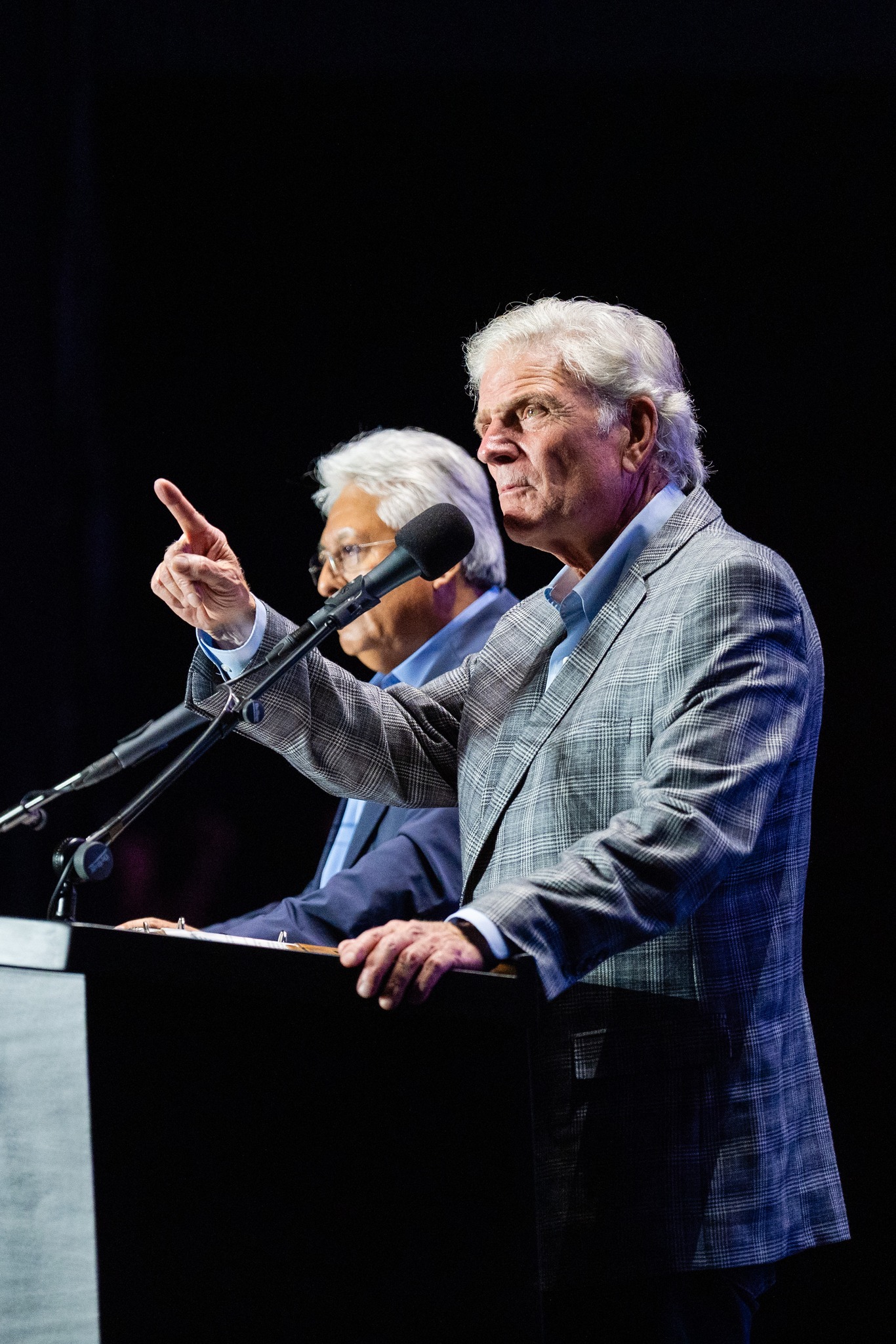
Evangelist Franklin Graham is speaking out following reports involving Jaden Ivey that have drawn widespread attention and sparked intense public discussion.
According to those reports, Ivey was waived by the Chicago Bulls after controversy surrounding public comments related to Pride Month and the league's broader messaging. The organization reportedly cited conduct detrimental to the team, though full details of the internal decision have not been publicly clarified.
Responding to the situation, Graham commended Ivey for what he described as a willingness to stand firm in his beliefs, saying the athlete was "not afraid to stand up for his biblical beliefs." He further encouraged others to remain bold in their faith-even when doing so may come with personal or professional cost.
The situation brings several themes into focus: the challenge of standing firm under pressure, the tension between conviction and public approval, and the reality of faith being tested in visible, high-stakes environments. For many observers, it highlights how personal belief systems can intersect with institutional expectations in complex ways.
Reactions have been divided. Supporters view Ivey's actions as an example of courage and conviction, particularly in a cultural climate where expressions of faith can carry significant consequences. Critics, however, emphasize the importance of sensitivity, inclusivity, and professionalism within team and league settings, arguing that public figures carry a responsibility that extends beyond personal viewpoints.
At its core, the moment reflects a broader and ongoing conversation-how faith, personal expression, and accountability intersect in public life. It is a dynamic many are watching closely, especially as similar situations continue to emerge across sports, entertainment, and culture.
For many believers, the situation resonates with a familiar tension: holding to conviction is not always easy, and it does not always come without cost.


